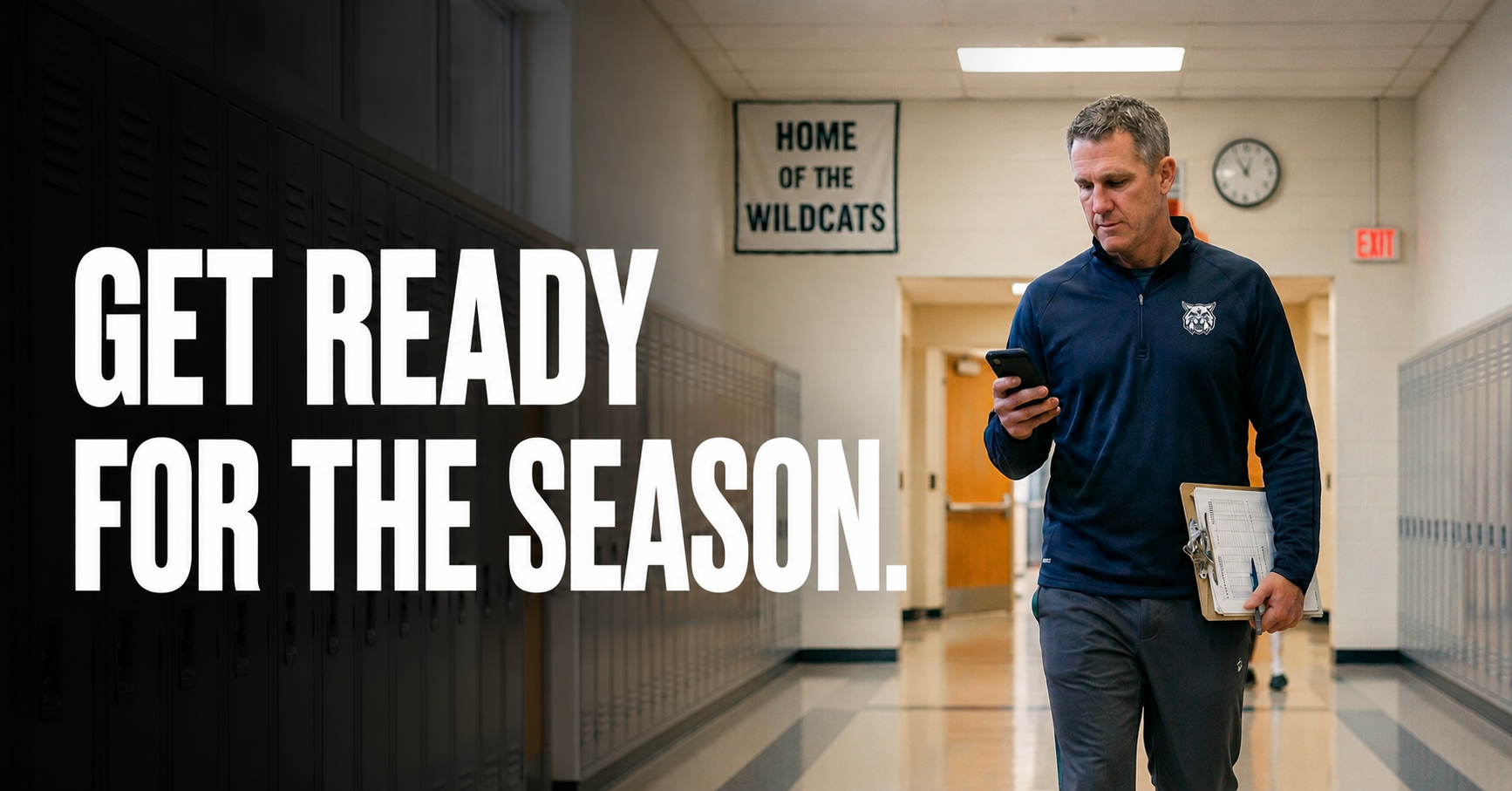
Summer is a balancing act for high school coaches. The season is still weeks away, but the work doesn’t stop. Offseason workouts are underway, and coaches are trying to get a clear picture of what their team will look like in the fall.
It's also one of the few times of year when there's enough room to think beyond the next game. During the season, practice plans need constant adjusting; players need feedback quickly, and before long, every week feels like a race against the clock.
That's why many successful programs use the summer to evaluate their processes, organize information, and build systems that help their staff operate more efficiently once things get busy.
Here are a few areas worth focusing on before game 1 arrives.
Running short on time? Click below to jump ahead.
Review What Slowed You Down Last Season
When coaches reflect on a season, attention usually goes straight to wins, losses, and returning players. Those things matter, but some of the most valuable lessons come from what happened behind the scenes. The best coaches tend to be process-oriented, not just results-oriented.
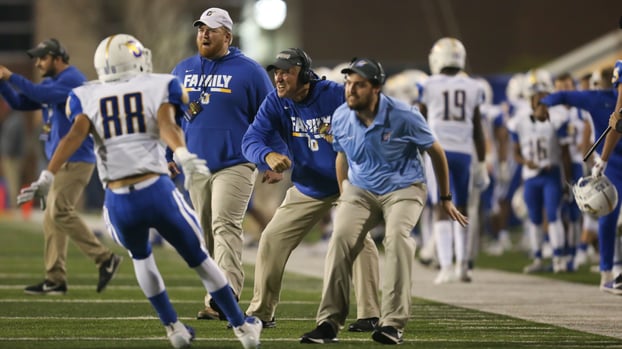
Ask yourself: What tasks took longer than they should have last fall? Where did your staff spend most of their time each week? Were there moments when information was hard to find, or communication got more complicated than expected?
Every program has areas where time drains quietly. Sometimes it's the film review process, keeping stats accurate, or simply keeping everyone on the same page week to week.
Those small inefficiencies of an extra 15-20 minutes here and there can easily add up to hours of lost time by the end of the year. Summer is the right time to identify those areas and decide what to do about them.
Get Organized Information Before The Season Starts
Once the season kicks off, film, statistics, scouting reports, player evaluations, and game plans start arriving every week. Keeping all this organized is a challenge that most people underestimate in a coach’s workload.
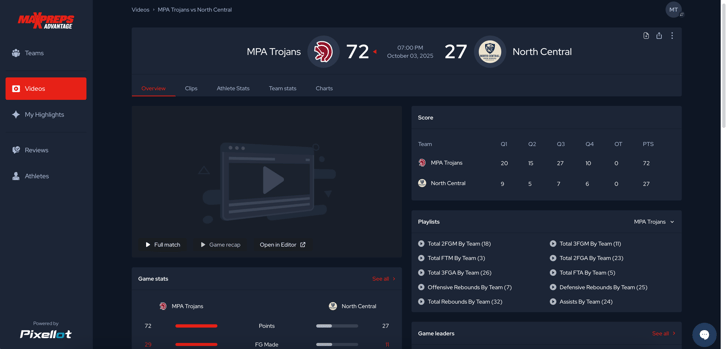
That's why summer is the right time to think about how information will move through your program. Where does film live? How will coaches share scouting notes? How will players receive feedback based on film? These are details that need to be sorted well before game 1.
The easier it is to access and share information, the more time coaches can spend talking about what matters with their team, and less time searching for it.
Start Learning About Your Opponents Now
Most coaches aren't creating detailed game plans in July, but that doesn't mean early preparation can't happen.
Summer is a good opportunity to start familiarizing yourself with the teams you'll face during the season. Getting a handle on high-level information like coaching changes, returning production, and program trends now means less time starting from scratch when it counts.
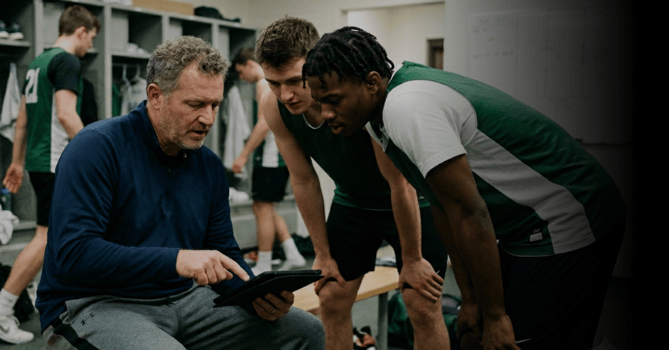
Early scouting doesn’t need to be deep. It just needs to build a foundation that your staff can expand throughout the year.
Define Roles Before the Season Creates Confusion
A lot of summer preparation focuses on athletes, but coaching staffs benefit from preparation too.
As the season approaches, it's worth reviewing how responsibilities are distributed among your staff. Who handles film breakdowns? Who manages stats? How does information get communicated during the week? What does collaboration look like after games?
A strong coaching staff is one where everyone understands their role within the process. When responsibilities are defined early, coaches can spend less time sorting out logistics and more time focused on preparation, player development, and game planning.
Protect Your Time Before the Season Demands It
Time is limited, and it becomes more scarce the moment the season starts. The demands placed on coaches continue to grow, and the number of hours in the day stays the same.
This is why programs need to be more intentional about how they manage time, preparation, and information. Coaches have access to more film, statistics, and resources than ever before. That’s a good thing — but it can also create more work if information isn’t organized properly.
The goal shouldn't be to collect more information simply because it's available. The goal should be to make better use of the information you already have.
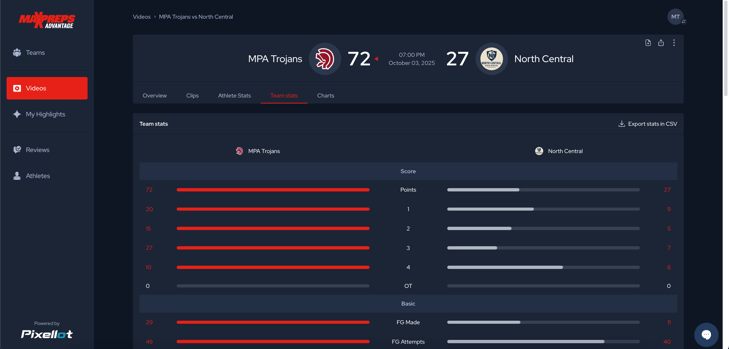
When coaches can quickly access film, share scouting reports, and collaborate more efficiently, they create the biggest advantage a team can have: more time.
Use Summer to Create Margin
Games are won within the margins. A point here and a point there can be the difference between a successful season or a disappointing one. Summer is the right time to build those margins into your program.
Whether the means better communication systems, more thoughtful preparation, or a plan for when unexpected challenges hit, this is the work that pays off in October and November. Fans won't notice it in July, and it won't show up in a preseason ranking.
Once the season starts, well-prepared programs operate differently. They're more organized, more efficient, and better positioned to focus on what matters most: helping their athletes compete at their highest level. That advantage starts long before Week 1.
What's Next?
Every coaching staff has a different approach to preparing for the season, but most are working toward the same goal: spending less time managing information and more time coaching athletes.
If you're looking for a way to simplify film review, analytics, and weekly preparation before the season begins, MaxPreps Advantage was built specifically for the realities of high school sports. Bringing film, stats, and scouting tools together in one place helps your staff stay organized and make the most of the limited time available during the season.
See how MaxPreps Advantage can help your staff prepare for a successful season.


 PlayOn

 PlayOn: Sep 14, 2026, 9:47:41 AM